
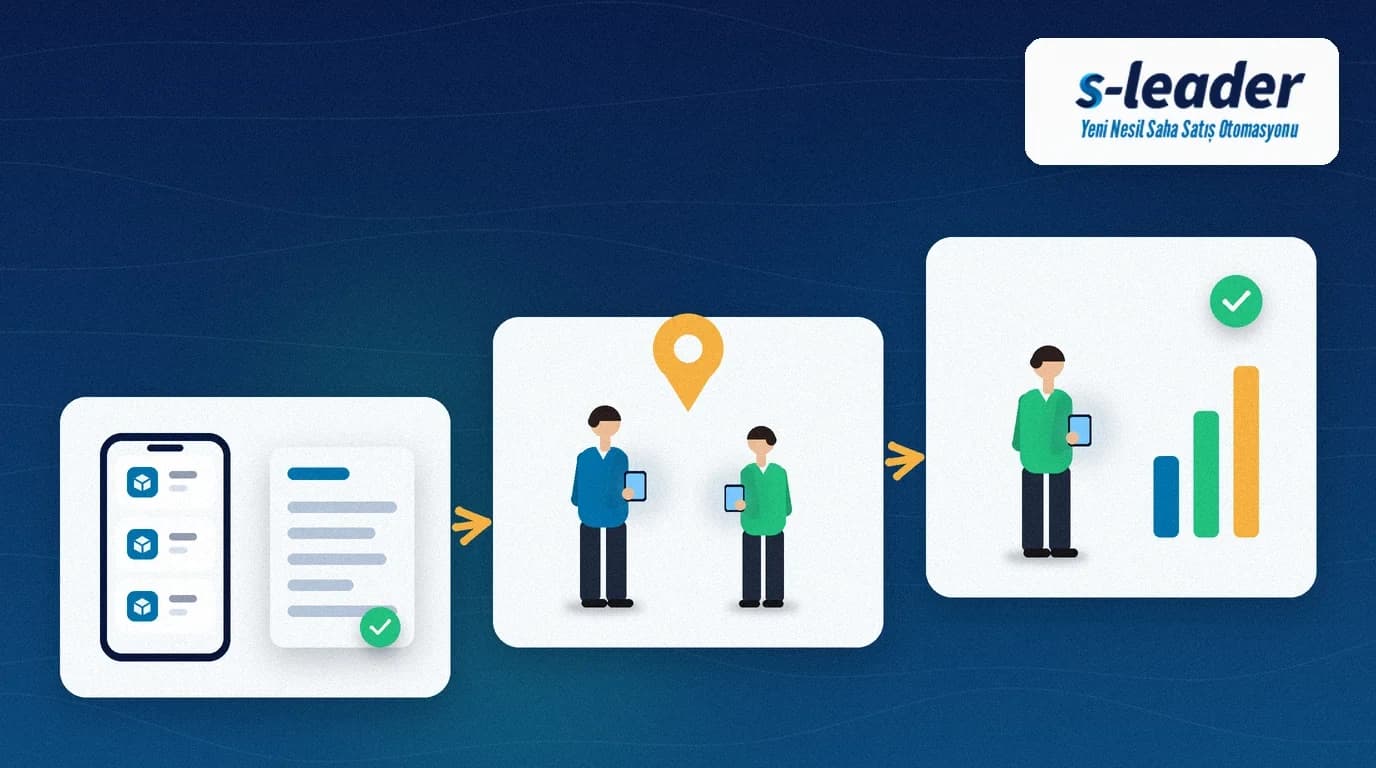
In short: Field rep training is the structured preparation that lets a new rep learn the products, customers, order process and field app well enough to work alone. Good training has four stages: preparation before training, app and process training, accompanied visits with an experienced rep, and a move to solo work with regular follow-up.
A rep who starts without training spends the first weeks learning by trial and error, and those errors show up in customer relationships, orders and collections. Planned training protects the new rep and the customer. This article walks through what to check at each stage.
Why does field rep training matter?
The field rep is the person who meets the customer face to face. A wrong price, an incomplete order, a faulty customer record or a missing visit note reflects directly on the company. Training lets the rep make those mistakes in a safe setting, not with their first customer.
Training also passes knowledge on in a shared way rather than from person to person. Every new rep in a territory learns the same rules, the same order flow and the same recording habits, so the team's data stays comparable.
What should you prepare before training starts?
Account, device and permissions
The rep's first day should not be spent waiting for a device or an app. The phone or tablet, the app user, and the customer and product lists the rep will see should be ready beforehand. Decide before training starts which information the rep can see and which actions they can take.
Territory, customer and product information
The rep's territory, customer list and visit days must be clear. Prepare a short summary of product groups, price lists and active promotions. Customer information can include personal data, so also explain how to protect it; for the rules on personal data protection, see the KVKK website.
Trainer and training plan
Decide in advance who gives the training and which experienced rep joins the accompanied visits. Write down what you expect from the rep at each stage, for example entering an order alone, creating a customer record or closing the end-of-day report completely.
What should app and process training cover?
In the first stage the rep learns the app and the process before going into the field. A suggested order:
Order entry: searching products, choosing quantity and unit, scanning barcodes and completing the order. For fast barcode entry, see our article on barcode order entry.
Customer information: where to see the account balance and past orders, and how to create a new customer record. Our article on new customer setup helps with error-free records.
Promotions and prices: which promotion applies at order time and the discount limits.
Visit record: what must be recorded at every visit; see our article on the field visit report.
End of day: how to close the day. We cover this in our end-of-day report article.
At this stage, working on sample customers and sample orders is much safer than the rep trying things out for the first time in front of a real customer. At the end, ask the rep to complete a few orders and one customer record alone under the trainer's supervision.
How should accompanied visits work?
In the second stage the new rep goes on customer visits with an experienced rep. At first they only observe; on later visits they take the order and record it themselves while the experienced rep only guides.
Do a short preparation before each visit: the customer's last order, open balance and the goal of the visit. We explain how in our article on pre-visit preparation. After the visit, both should talk about what went well and what can improve.
After each accompanied visit, judge with clear criteria whether the rep is ready for the next stage: did they enter the order without errors, apply the promotion correctly, complete the visit record?
How do you move to working alone?
In the third stage the rep starts working alone, but training does not end. In the first days, the regional manager or trainer should look at the rep's end-of-day reports and visit records and talk through any gaps the same day or the next.
A simple checklist is enough for follow-up: how many planned visits were made, did any orders need correcting, are the records complete? You can find how to track team metrics in our article on field sales team KPIs.
Give the rep an easy way to ask questions. A rep who does not know who to ask when stuck during the day either guesses or gives up. For announcements and messaging inside the team, see our article on field team communication.
Common mistakes
Squeezing training into one day: A single meeting is not enough for the app and the process to sink in. Go in stages.
Skipping accompanied visits: A rep who knows the app may not know how to talk to the customer. Watching an experienced rep closes that gap.
Moving on without criteria: Whether a rep is ready should not be left to a feeling of "it's going well"; look at which tasks they can do without errors.
Dropping the follow-up: When the rep starts working alone and feedback stops, mistakes go unnoticed.
Not explaining customer data: The confidentiality and correct use of records should be part of the training.
Supporting field rep training with S-Leader
In the S-Leader field sales app, promotions are shown to the rep at the time of the order, and orders can be entered quickly by scanning barcodes. In the field, the rep sees the customer's account balance and past orders, which makes it easier for a new rep to prepare for a visit. Daily visit routes are generated automatically and route compliance is reported, so you know what to look at in follow-up. With the report designer you can follow the new rep's results at the level of detail you need, and push notifications and messaging let you support them quickly. S-Leader integrates with Logo and Mikro ERP. At ÇAP Teknoloji, we plan your new rep training together with the app setup. For a free demo, get in touch.
Summary
Field rep training moves in four stages: preparing the account, territory and training plan; app and process training; accompanied visits with an experienced rep; and the move to solo work with regular follow-up. Set clear criteria at each stage, do not drop the follow-up and give the rep a channel to ask questions.
Sıkça Sorulan Sorular
What stages does field rep training have?
It has four stages: preparation before training, app and process training, accompanied visits with an experienced rep and the move to solo work with follow-up.
What should a new rep learn on the first day?
The app, order entry, where to see customer and product information and how to keep the visit record. Trying these with sample orders before meeting a real customer is safer.
Why are accompanied visits needed?
Knowing the app does not mean knowing how to talk to a customer. Watching an experienced rep and getting feedback helps the new rep adapt to both the process and the customer relationship.
How do you decide a rep is ready?
Look at criteria rather than feelings: entering orders without errors, applying promotions correctly and completing the visit record and end-of-day report. Write these criteria down at the start of training.
Is follow-up needed after training?
Yes. In the first days of solo work, end-of-day reports and visit records should be reviewed and any gaps discussed with the rep.