
What Is Hot Selling? How to Manage Orders and Stock in Van Sales
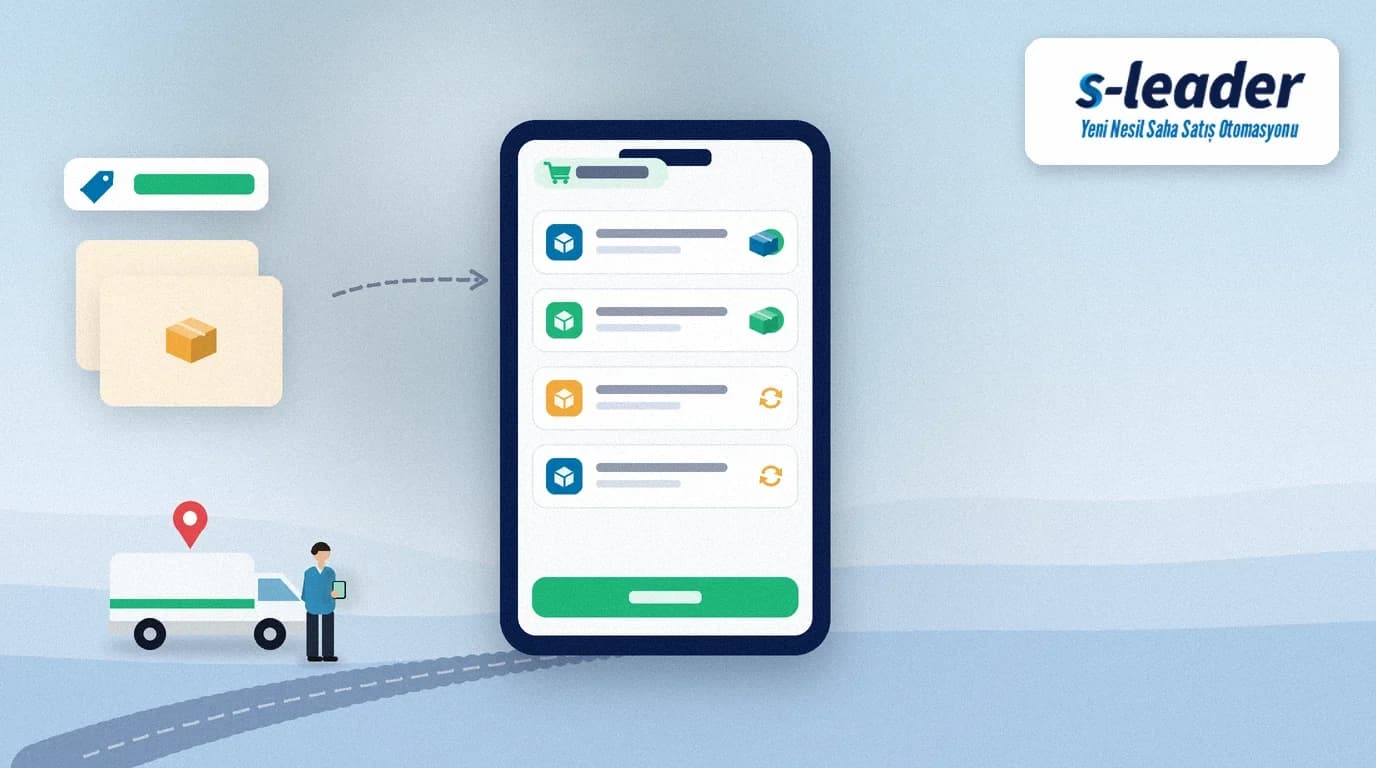
In short: Hot selling (van sales) is the model where the rep delivers the order from van stock in the same visit. The order, stock drop and delivery note happen together; a late office entry becomes a stock error immediately.
Distribution and FMCG channels usually run two models: in pre-sales (cold) the order is taken and delivery is planned later; in hot selling the van is a rolling warehouse. When the customer says yes, goods leave the van and stock falls at once. Here we define hot selling, show how van-sales orders and stock should be managed, and list what to watch in field automation.
Quick summary
- Hot selling = order + van delivery + instant stock movement in one visit.
- Wrong van stock creates wrong promises, returns and noisy month-end reconciliation.
- The stock the rep sees on the phone must match the van and stay aligned with the central warehouse.
- Routes, collections and ERP sync are the surrounding layers of hot selling.
What Is Hot Selling?
Hot selling is the field model where the rep (van seller) takes the order at the outlet and delivers from vehicle stock in the same stop. A document is issued, stock drops, and collection may be taken. In cold selling the order is a promise; delivery is a separate logistics step. Both models can coexist; the mobile app and stock rules must follow the model in use.
Hot selling is common for drinks, snacks, cleaning products and other fast movers. When a shelf is empty, the customer often wants a fill now, not "tomorrow". That speed without stock visibility creates risk.
How Orders Work in Van Sales
A typical hot-selling day looks like this:
1. Vehicle loading and count
Products are loaded from the warehouse to the van; the load list must match the physical count. An unresolved morning gap travels all day as wrong stock.
2. Visits on the route
The rep follows prioritised stops with field sales route planning. At the outlet, balance, recent sales and sellable van stock appear on the device.
3. Order + delivery note
The customer chooses items; if stock is enough, the document is cut and goods leave the van. Mobile stock must fall immediately. The system should block selling what is not there.
4. Collection and day end
Cash, cheque or transfer may be taken in the same visit; see field sales collection tracking. At day end the remaining van stock must match the mobile count, with gaps recorded.
Why Stock Control Is Critical
In hot selling a stock error is immediate:
- Overstated stock: Unavailable products get promised.
- Understated stock: Sellable goods sit in the van unused.
- Van mix-ups: Product loaded on the wrong van looks "out" on another route.
- Returns and spoilage: Expiry-sensitive goods need FIFO discipline inside the van.
Central warehouse and van stock are different layers. If the app only shows the warehouse balance, the rep is misled. We covered why order–stock sync belongs together in Logo ERP integration; in hot selling delay-free sync matters even more.
Hot Selling Checklist
- Equalise morning load count with mobile stock.
- Make stock drop mandatory at sale time; manual fixes stay exceptional.
- Show expiry/lot data for sensitive SKUs on the van.
- Use separate document types for returns and scrap.
- Close day-end count gaps with reason codes.
- Track stock accuracy and return rate beside revenue in field sales team KPIs.
Hot / Van Selling with S-Leader
S-Leader can be configured for hot and cold selling in the same field team. The rep sees van stock, documents the order, stock drops; BackOffice watches routes and day end. With ERP integration, centre and field stay closer to one number.
If you want to see how order and stock discipline could be simplified in your van sales operation, request a free demo.
Sıkça Sorulan Sorular
What is the difference between hot and cold selling?
In hot selling, order and delivery happen in the same visit from van stock; in cold selling the order is taken and shipment is planned later.
Why track van stock separately?
Warehouse balance is not what sits in the vehicle. The rep sells van stock; without a separate view you get phantom sales or lost revenue.
Is collection mandatory in hot selling?
It depends on the model. Many distributors collect cash/cheque on delivery; on credit terms the account balance on the device must be current.
Is a day-end count required?
Yes. If mobile stock and the physical van count do not close, the error grows the next morning.
Does S-Leader support hot selling?
Yes. Hot and cold selling can run in one system; stock drops, documents and ERP sync follow the configured model.