Articles from the S-Leader team on field sales automation, collections management, route planning, and ERP integrations.
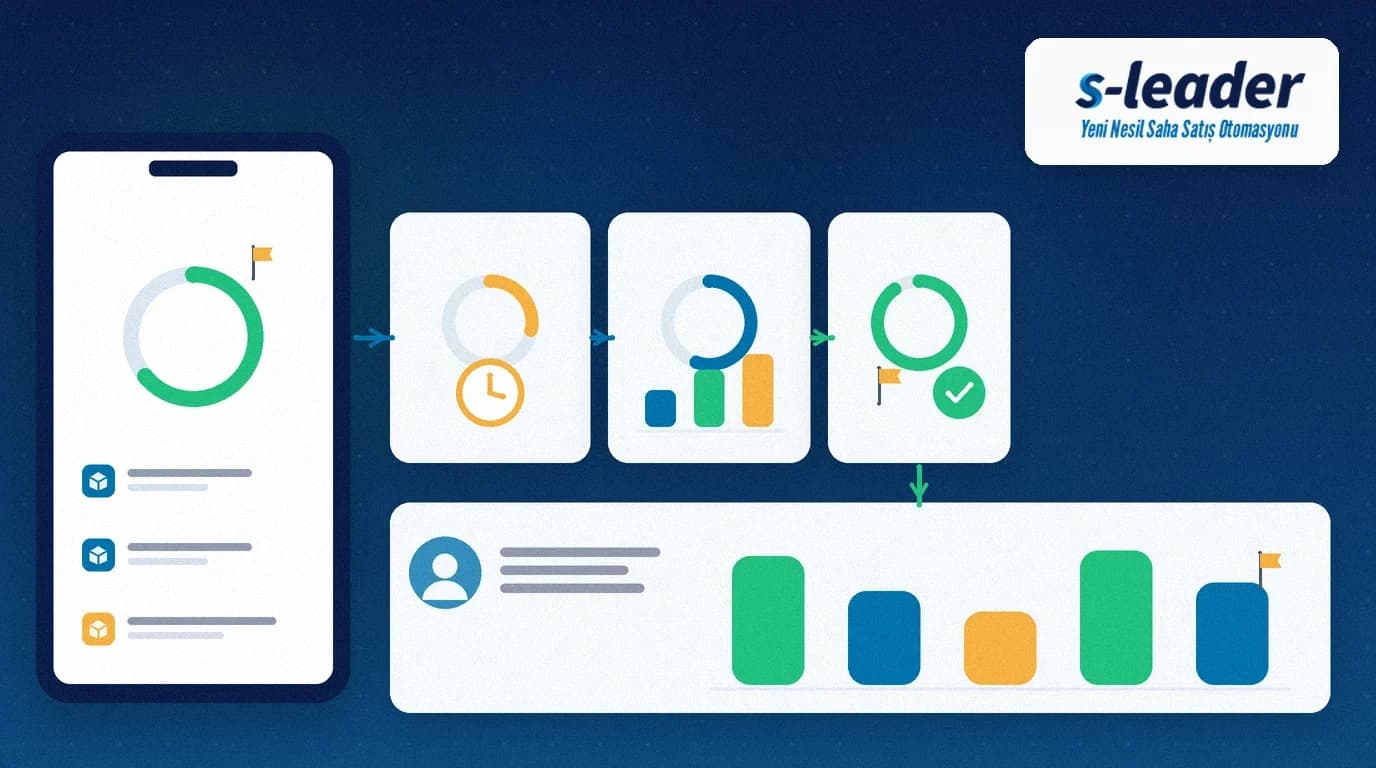
A fair gamification setup with badges, leaderboards and period rankings that steers field reps towards the right daily behaviours, not just revenue.
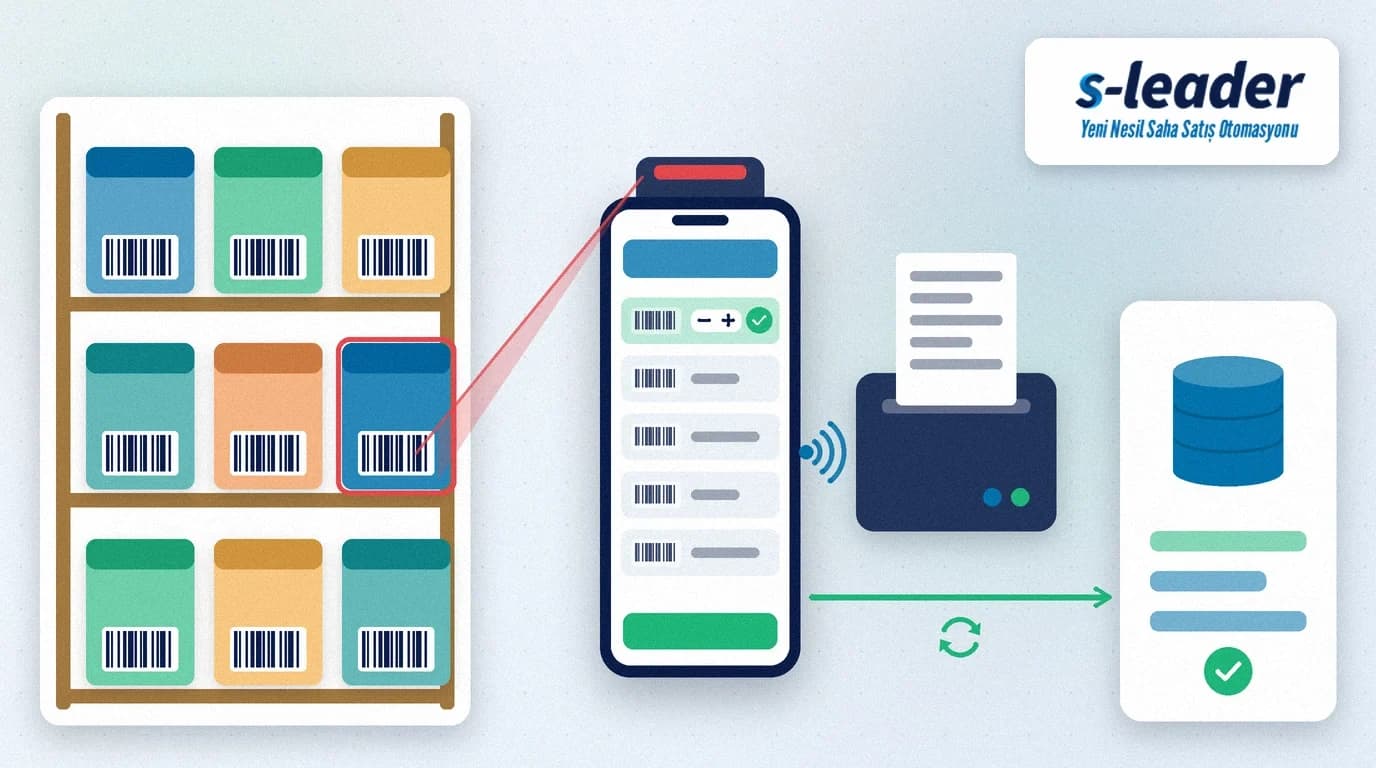
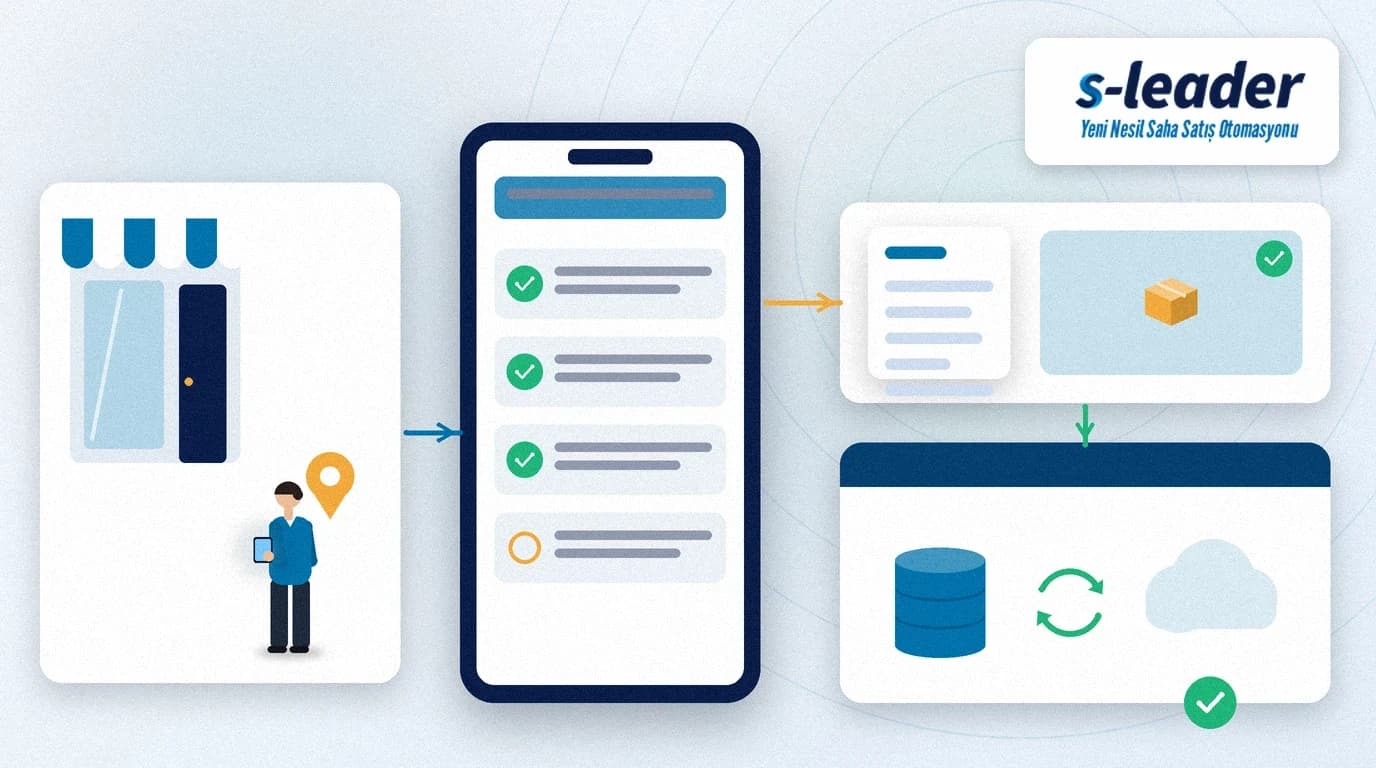
Instead of searching a long product list, the field rep scans the barcode to add the item, cutting wrong-product, wrong-unit and typing errors at the moment of order.
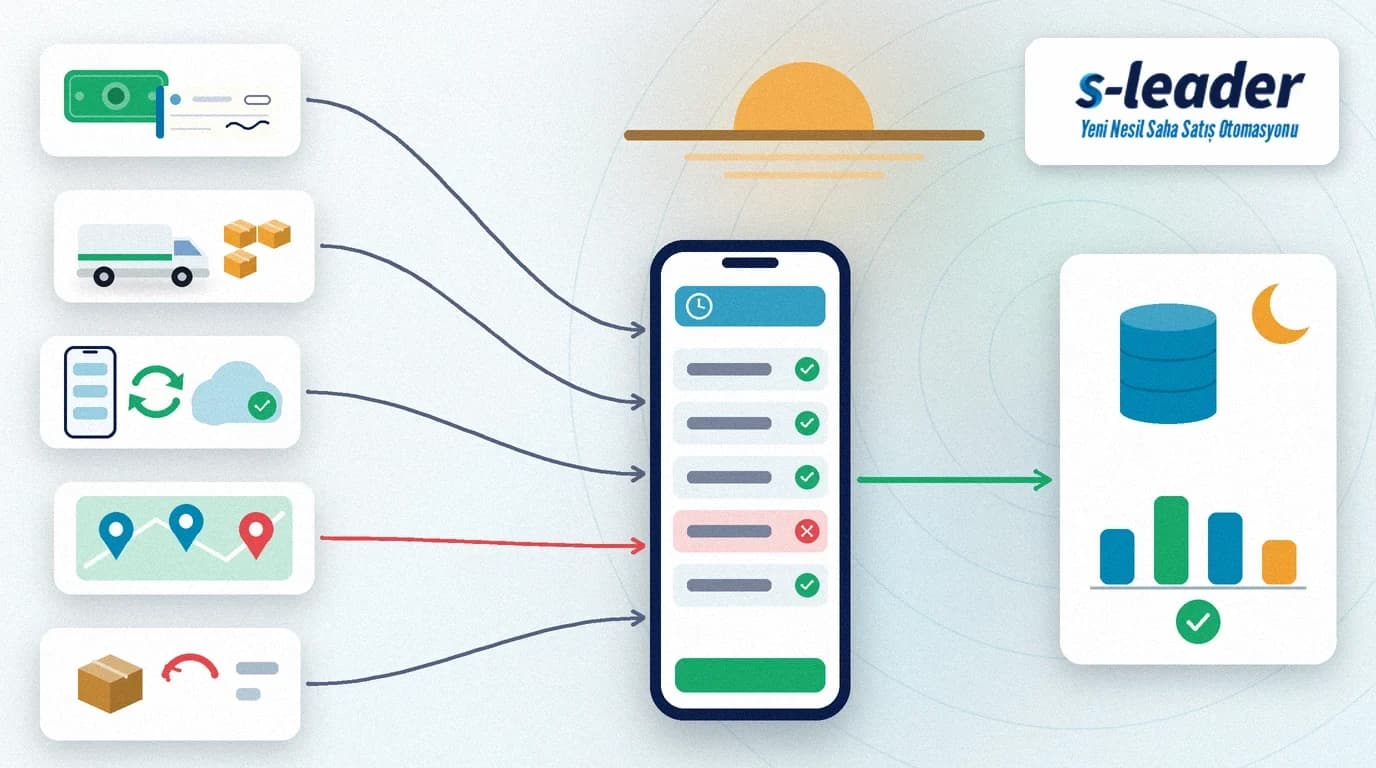
At the end of the day the field rep matches cash, stock, orders, visits and returns against head office, so any gap shows up the same day.
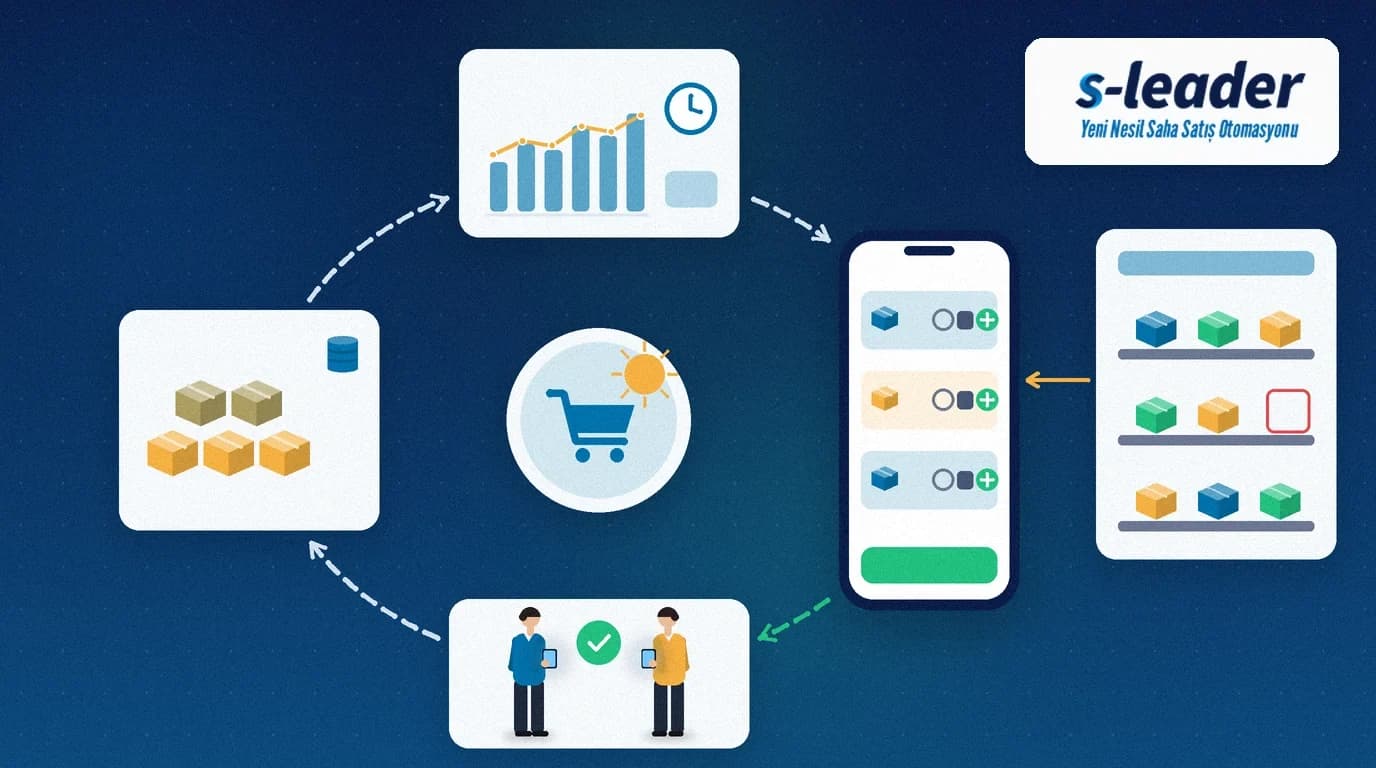
A suggested order brings up which products and how much a rep should propose, based on past sales, shelf and stock data, so fewer items are forgotten or overstocked.
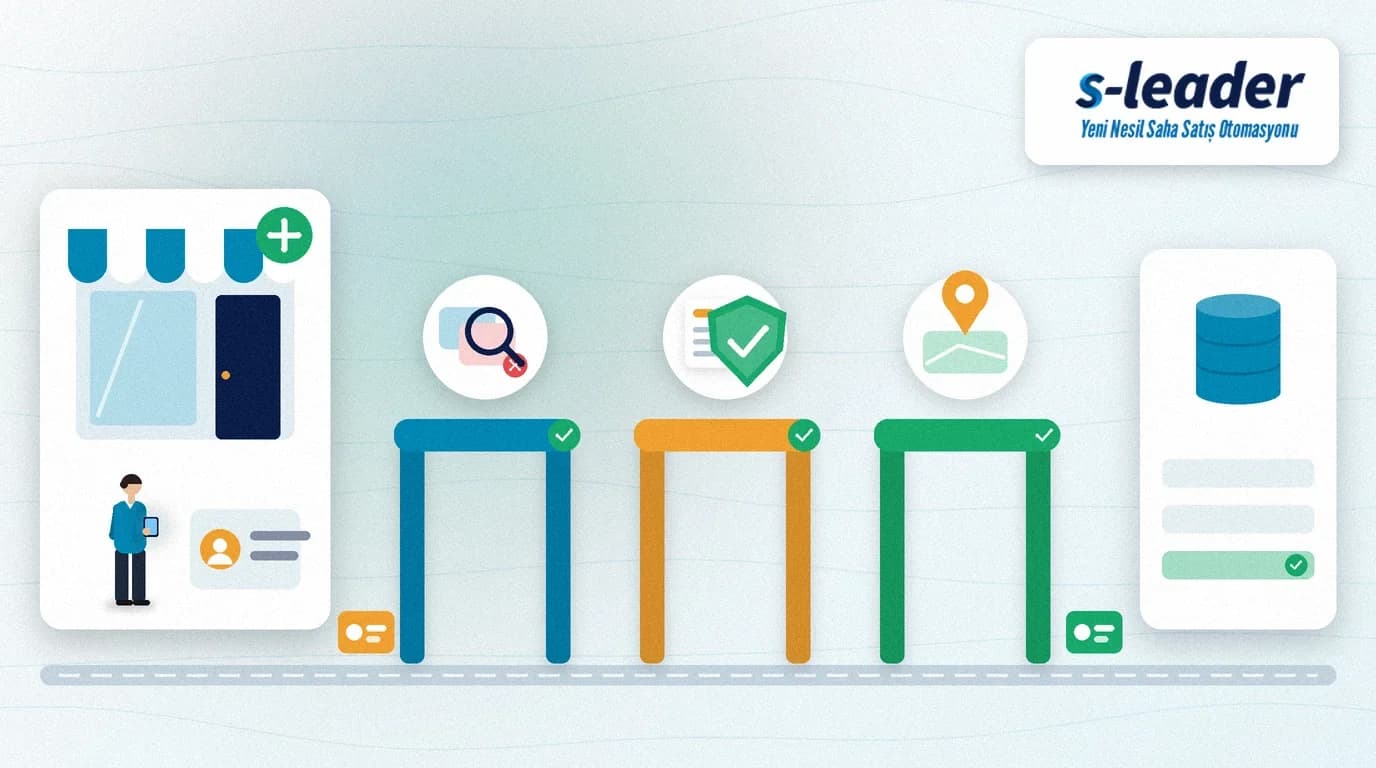
A new account opened by a rep in the field reaches the ERP correctly the first time with a duplicate check, tax details, a location pin and back-office approval.
A field visit report ties what the rep did, who they spoke to and the next step to a single visit record, so the day's route does not end in lost notes.
Sales quota progress shows how close a rep is to the period quota during the day, so the route does not end with a surprise gap at month-end.
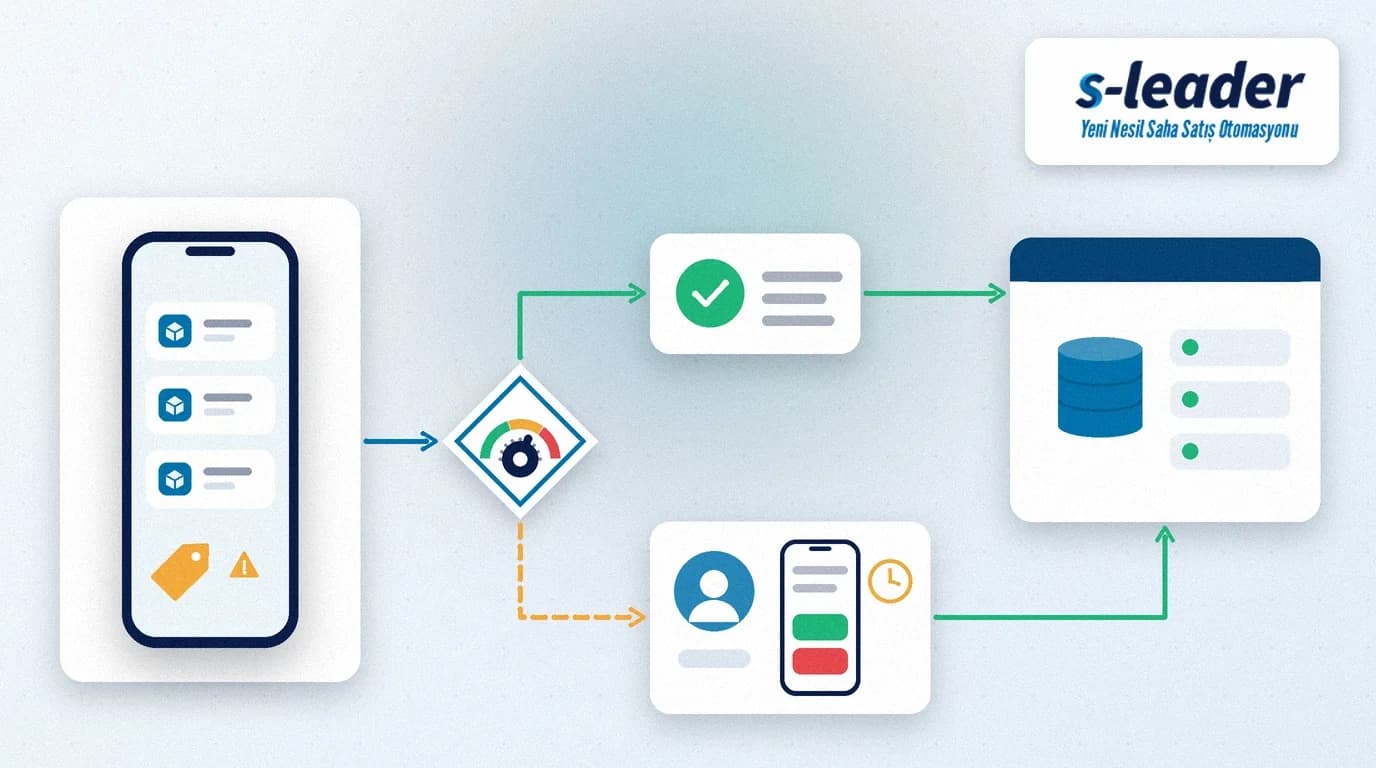
An order approval workflow lets compliant field orders flow straight to the ERP and sends only orders with discount, credit-limit or price exceptions to the right approver's phone.
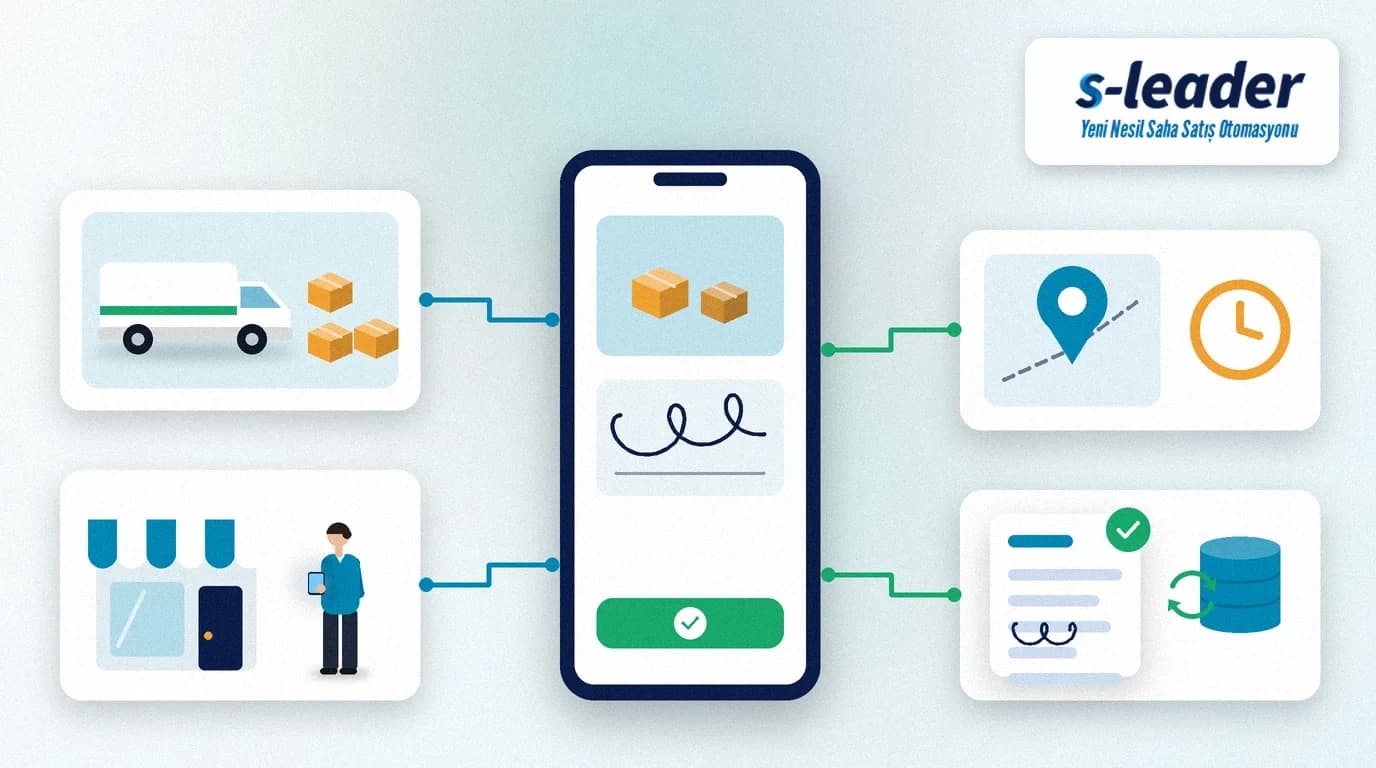
Electronic proof of delivery ties the customer's signature, a delivery photo, location and time to the order, so "never arrived" or "short delivery" disputes are settled from the record, not from paper.
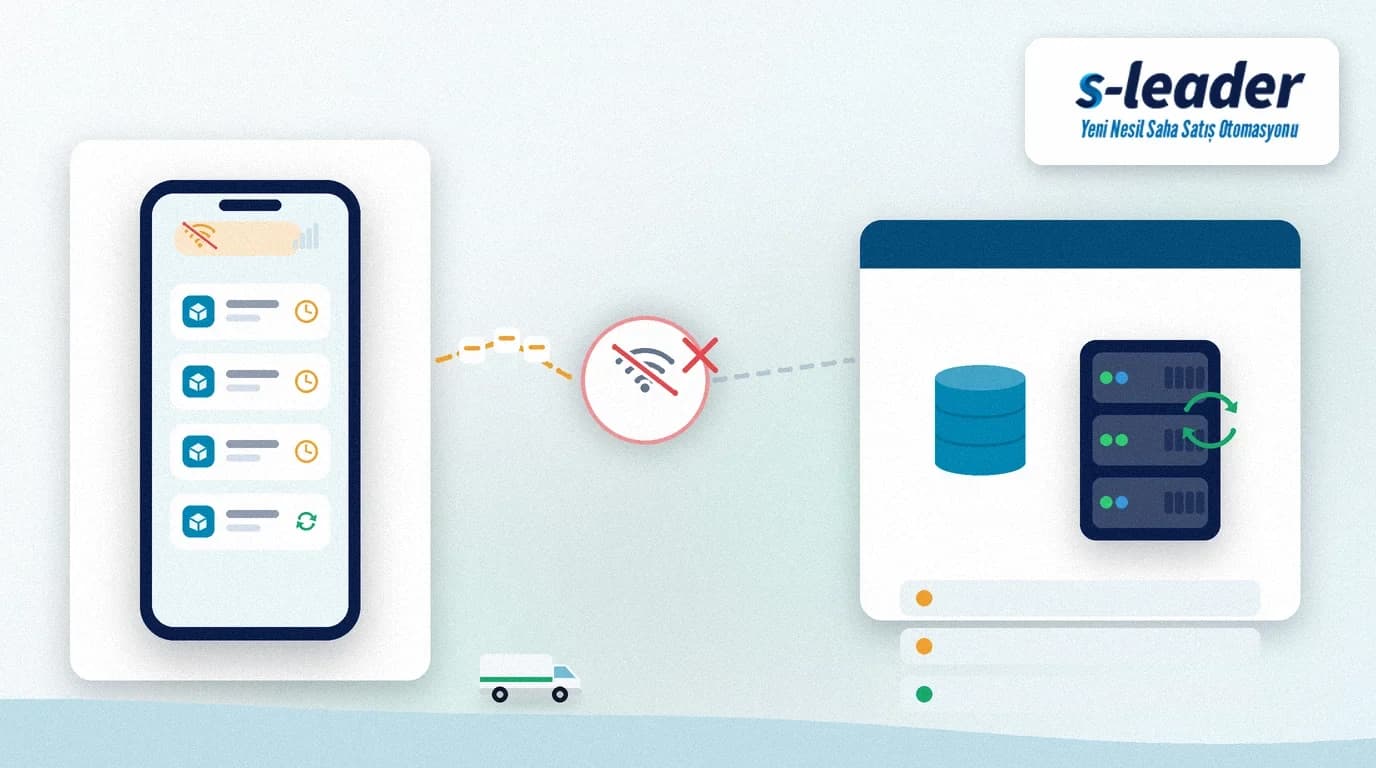
Offline field sales means the rep can still record an order on the mobile app at a customer site with no signal, then sync to the centre when connectivity returns. The goal is to stop weak coverage from killing the visit.
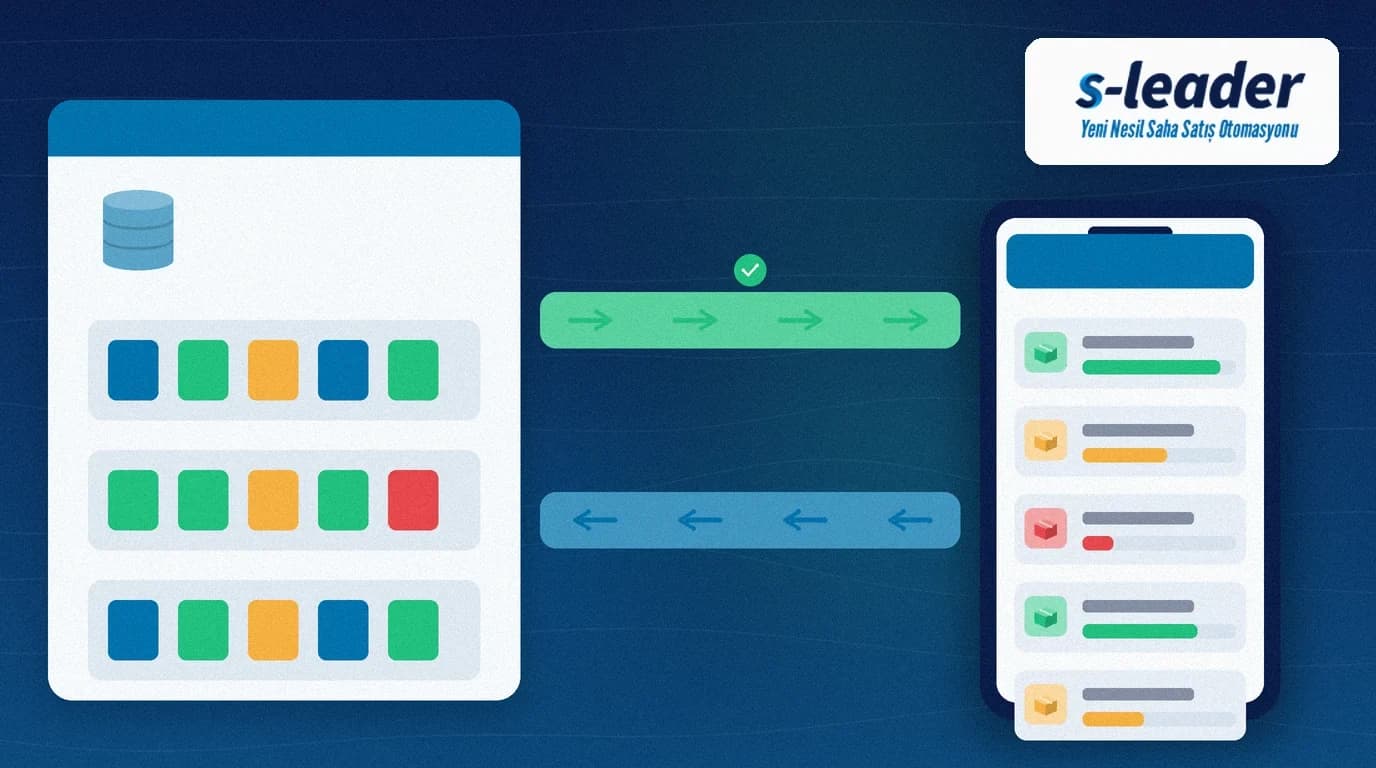
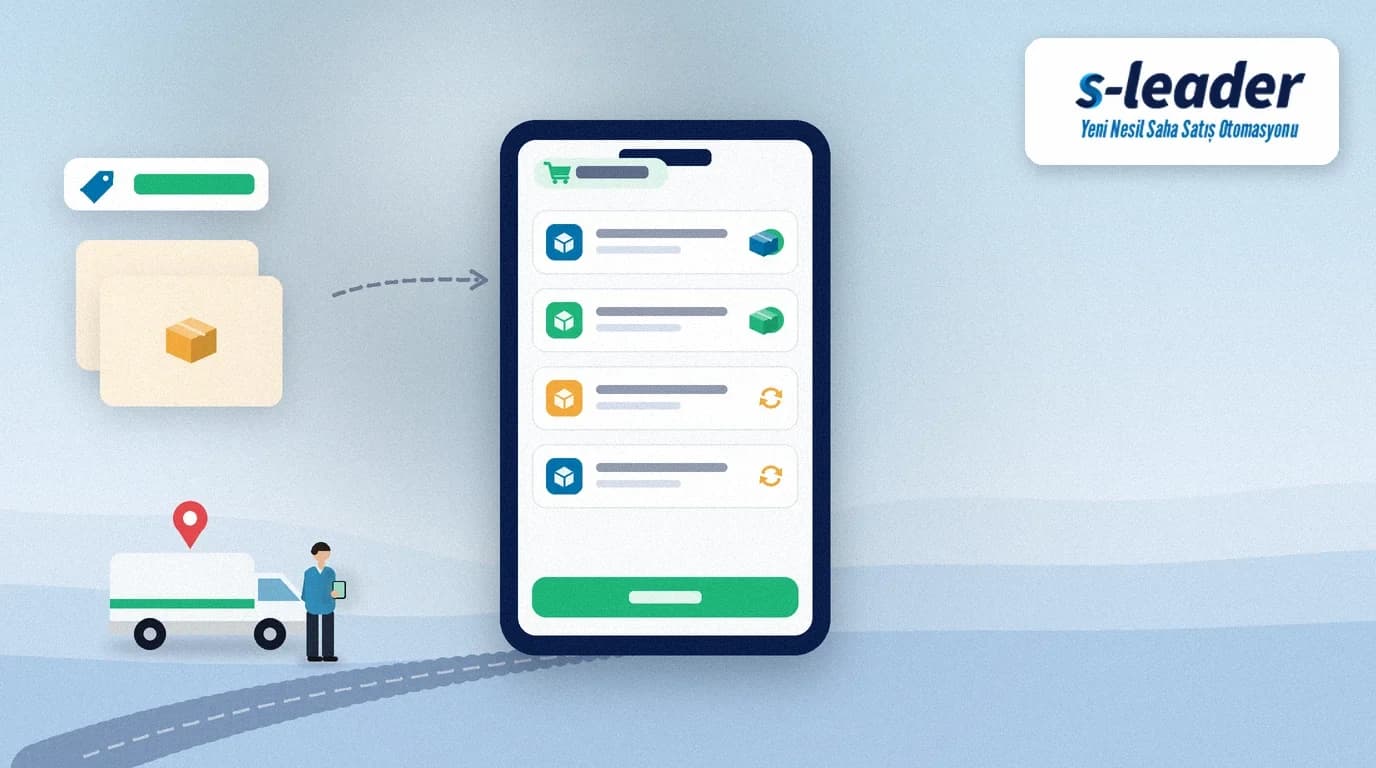
Stock visibility in field sales means the rep sees warehouse, van and reserved quantities live on the mobile app and places orders against sellable stock. The goal is to stop selling what is not there and cut later cancellations.
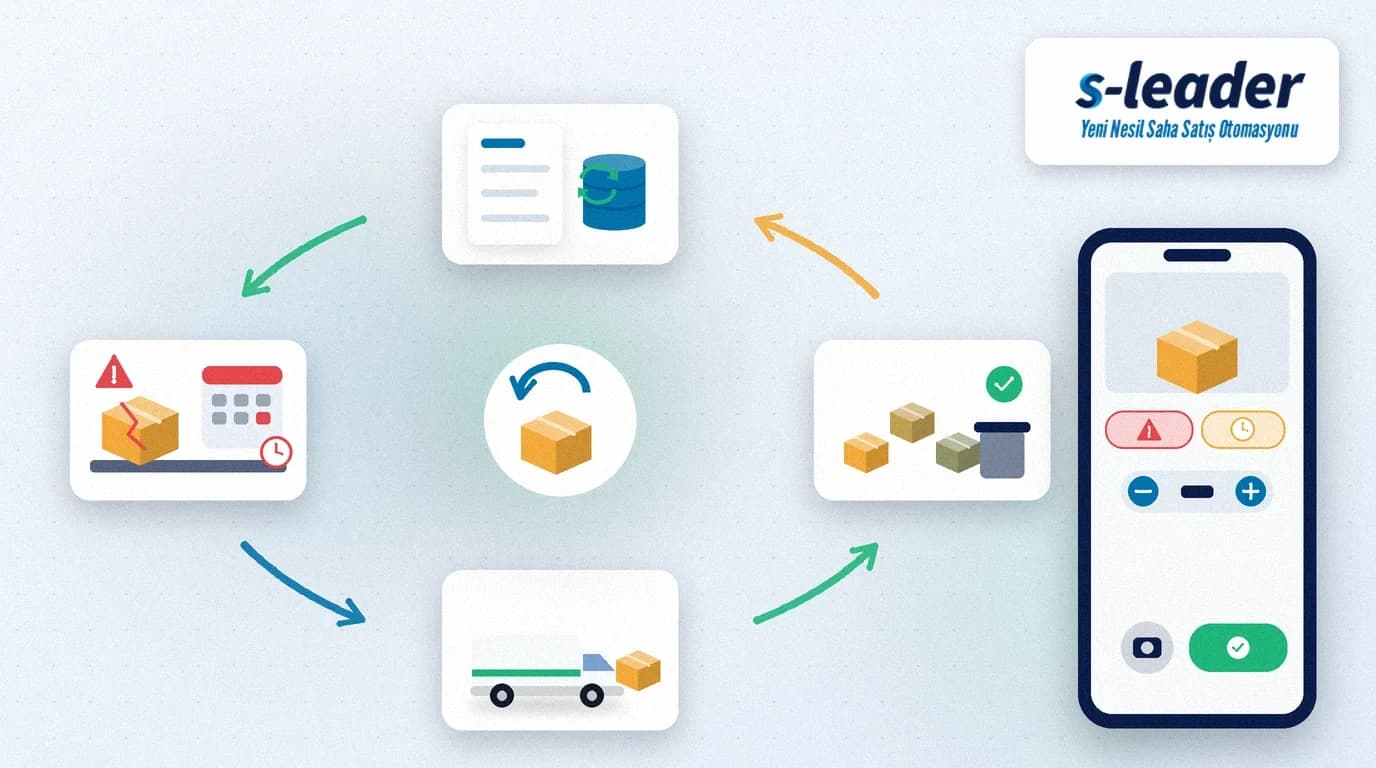
Returns management in field sales means the rep records damaged or expired goods taken back during the visit with reason, quantity, batch/expiry and a photo, and the return is tracked in one flow from depot inspection to credit note.
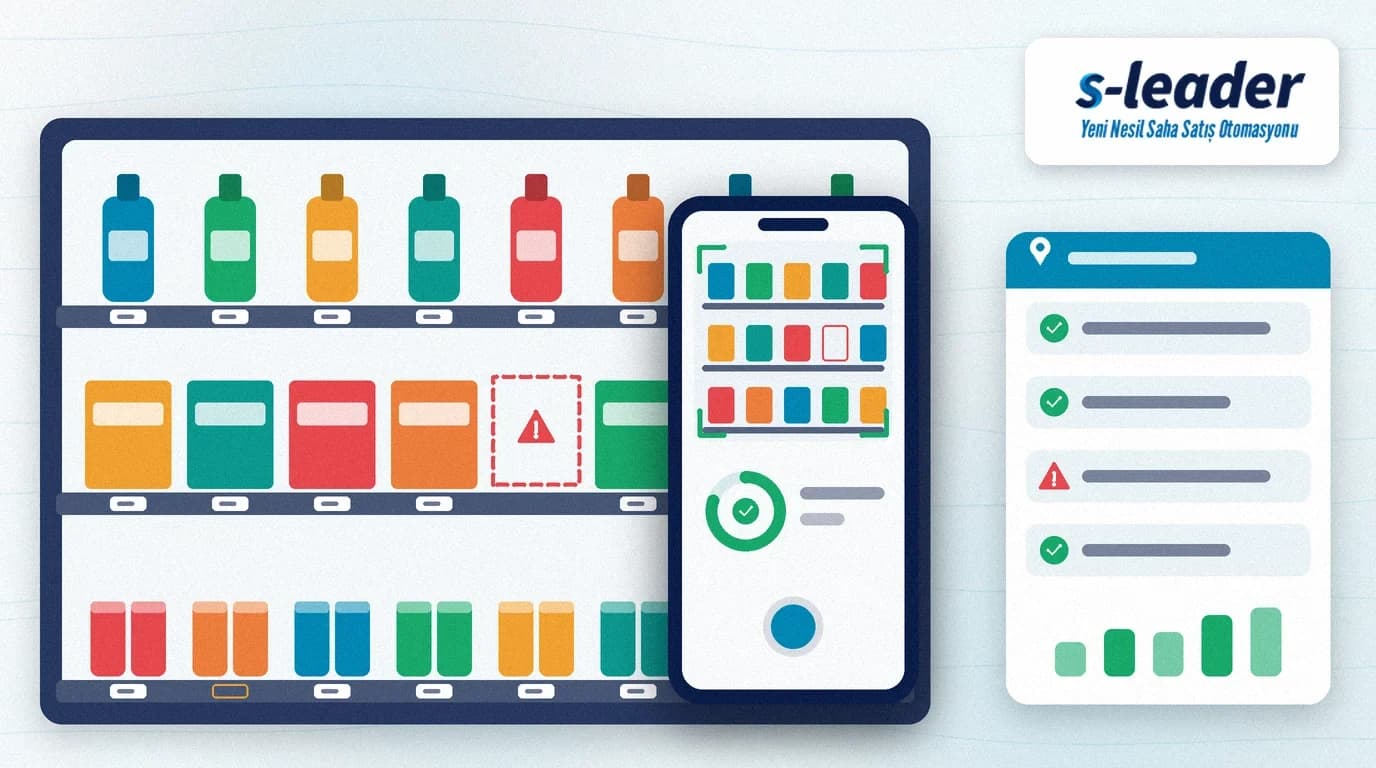
Merchandising tracking means the field team audits shelf layout, price tags and displays during visits with a checklist and photos. What to check, how to add it to the visit flow and which metrics to track.
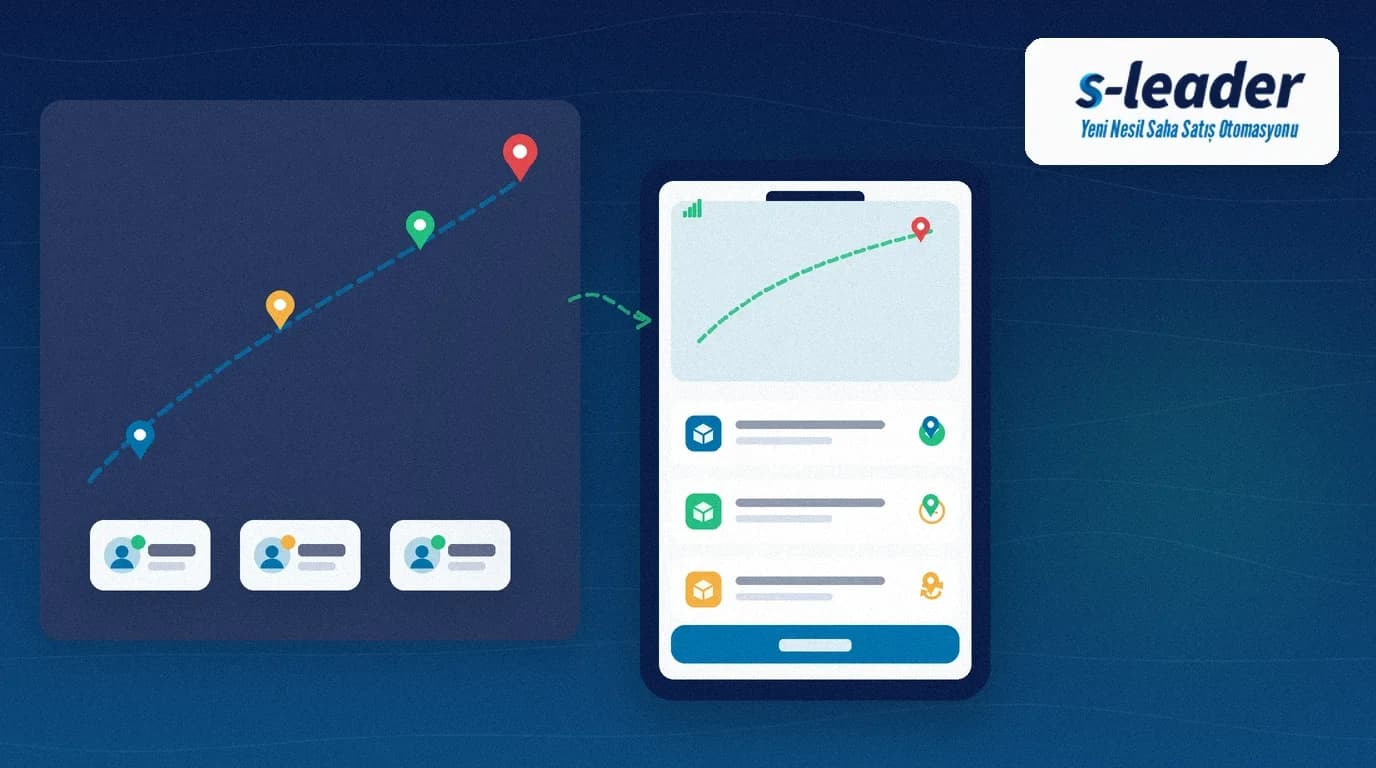
A field sales rep tracking system combines location, visits and orders on one screen. Here is what it is and how to set it up.
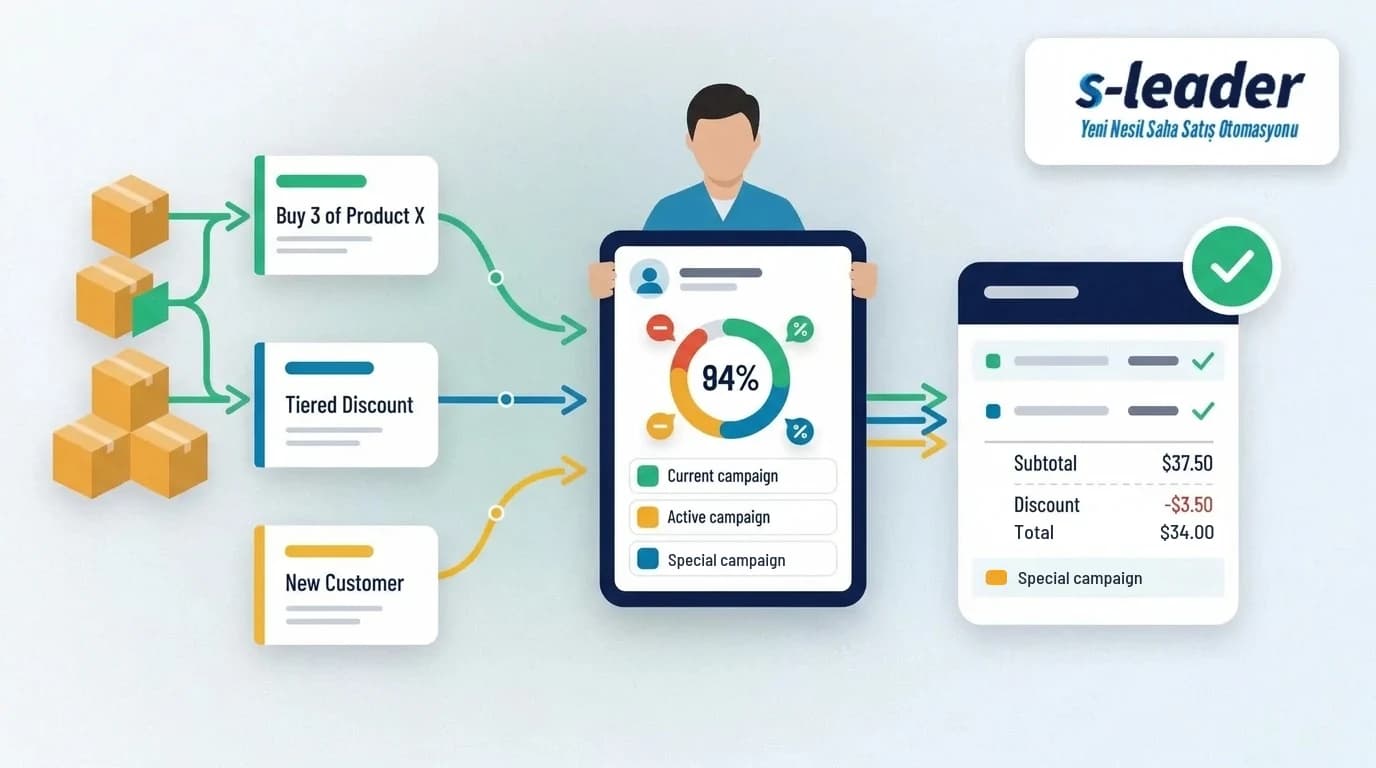
Discounts typed by hand lead to margin loss and invoice corrections. This article explains how price lists, promotions and discount rules should be applied at the moment of order in the field, and how to measure them.
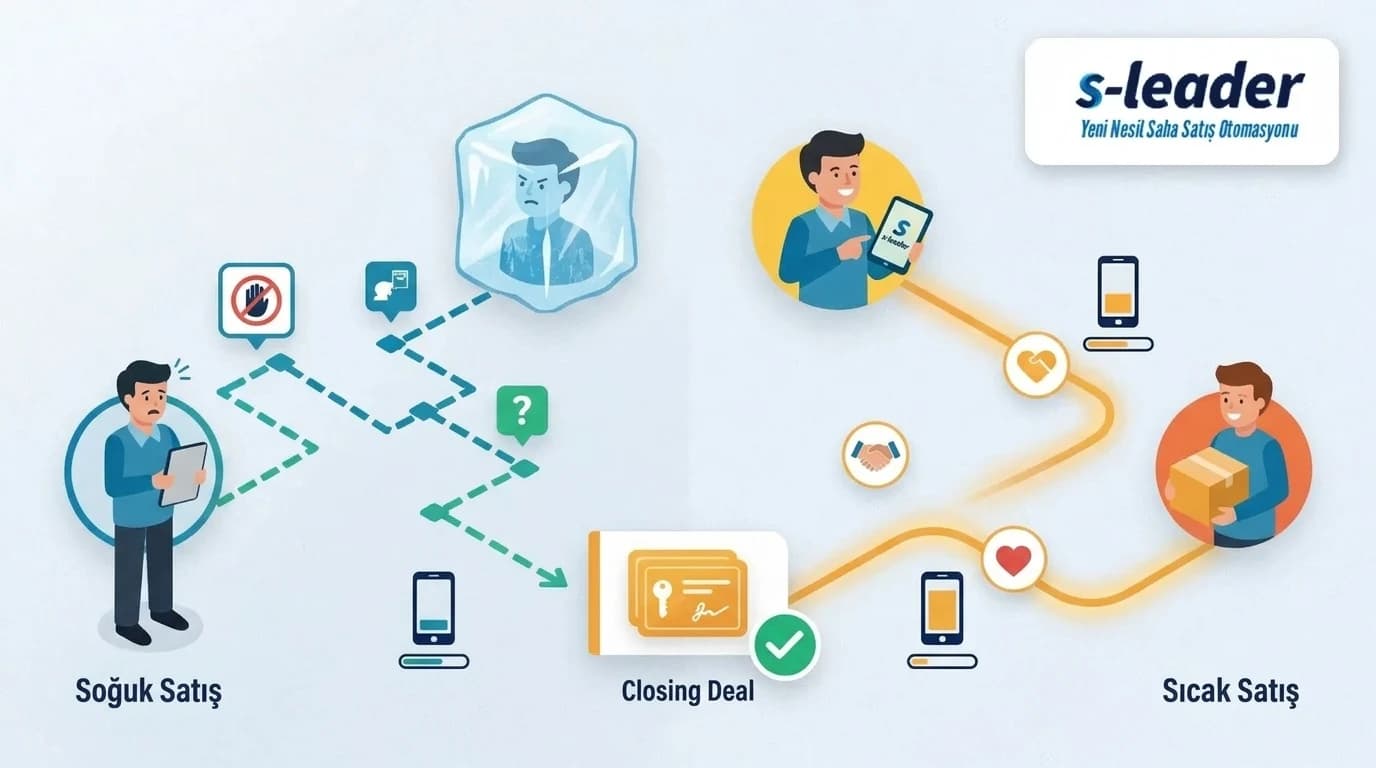
In cold selling the rep only takes the order during the visit and the goods are delivered later from the warehouse. This article explains how pre-sales works and how it differs from hot selling.
In hot selling (van sales) the product is delivered from the vehicle in the same visit; stock and the document move together. This article explains how to manage orders and stock.
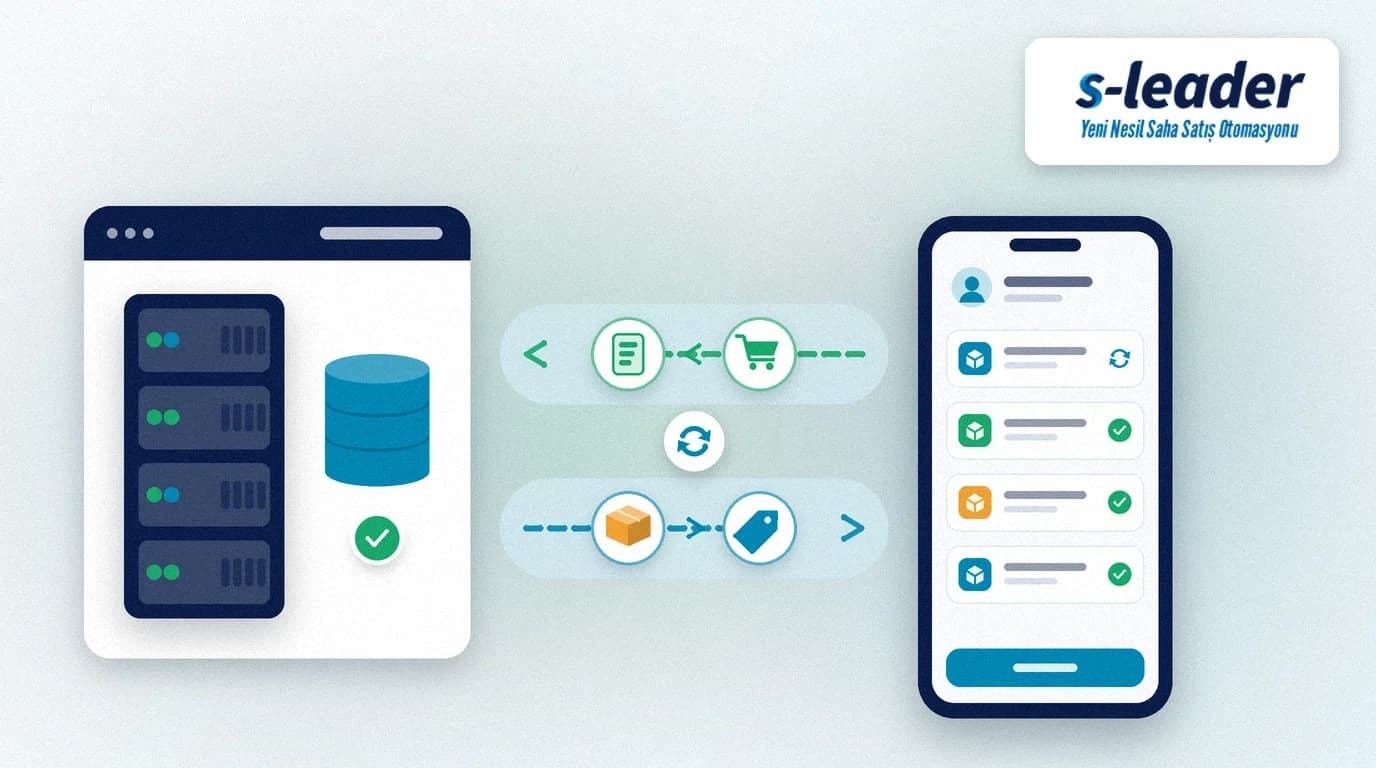
If field orders reach Logo ERP late, stock and accounts drift. This article explains how Logo ERP integration syncs field orders and stock, which data flows which way, and what to watch in the project.
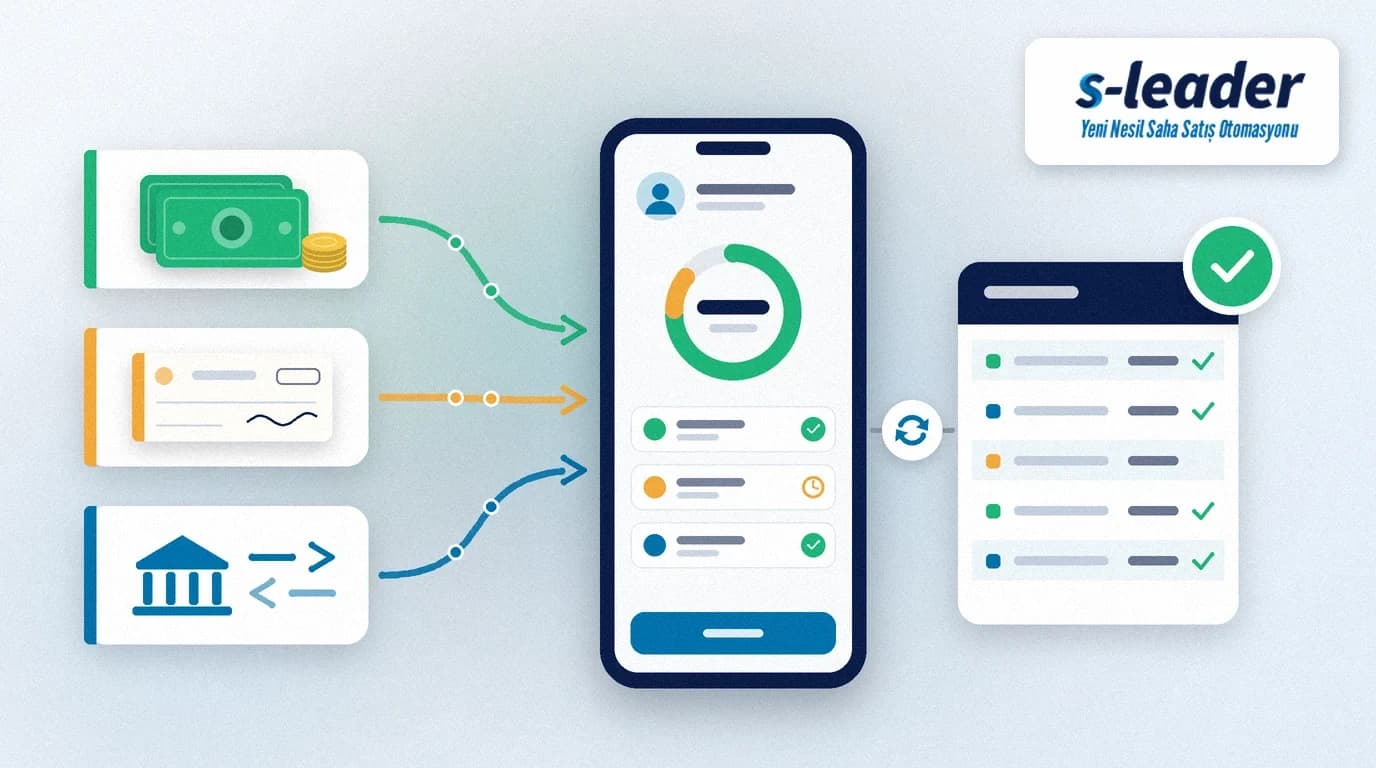
If cash, cheques and transfers collected in the field stay in notebooks or spreadsheets, due balances slip through the cracks. This article explains how to set up field sales collection tracking and manage cash, cheques and transfers in one place.
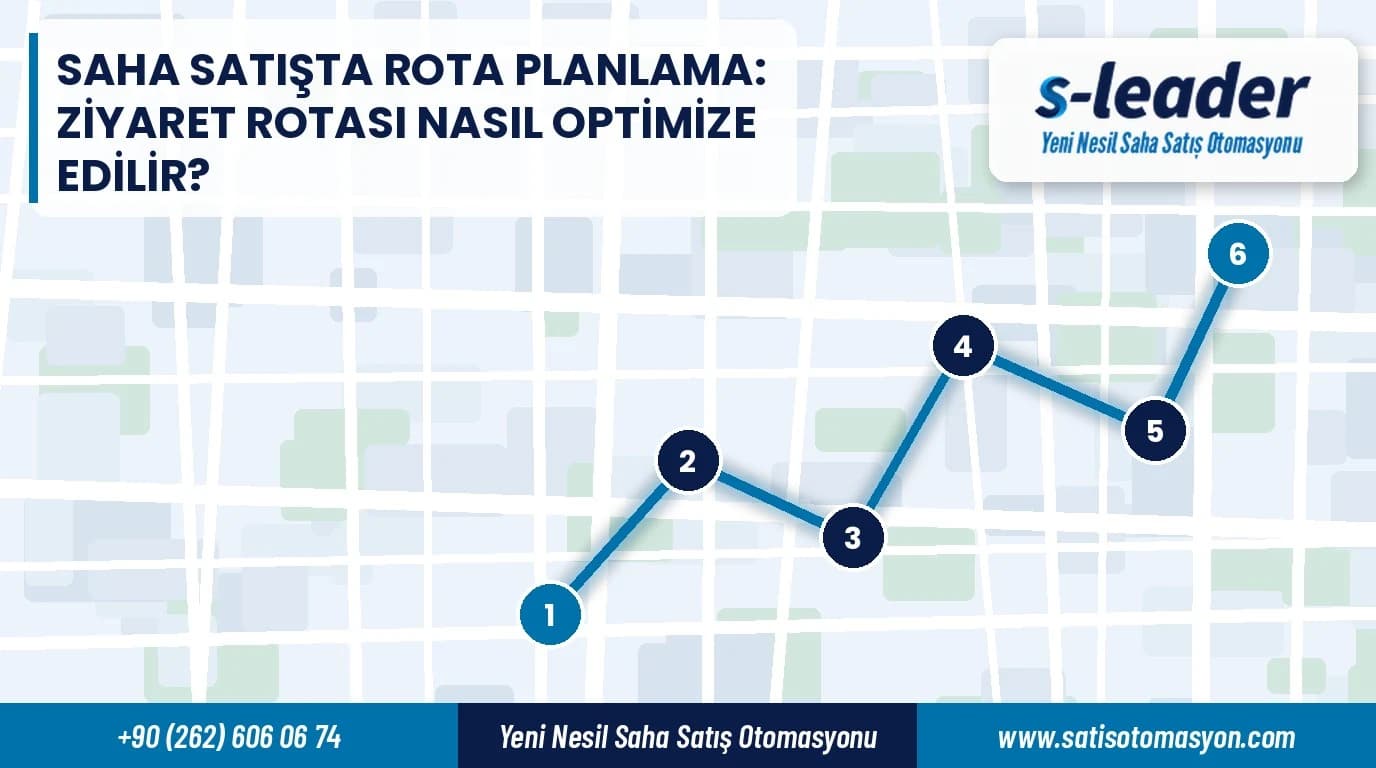
Randomly ordered visits mean your field team spends its day on the road. In this article we explain how to plan field sales routes, which criteria to optimize them by, and how to track route compliance.
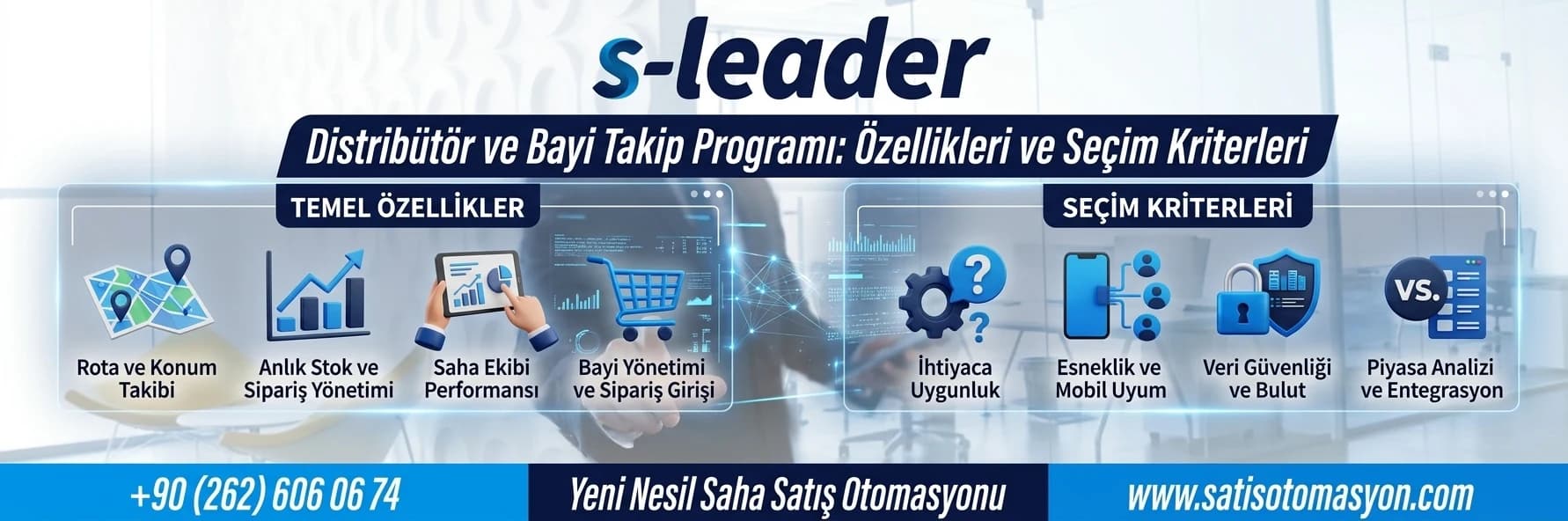
As a distributor or dealer network grows, tracking it with spreadsheets and phone calls stops working. This article explains what distributor/dealer management software is, which features it needs, and how to choose the right system.
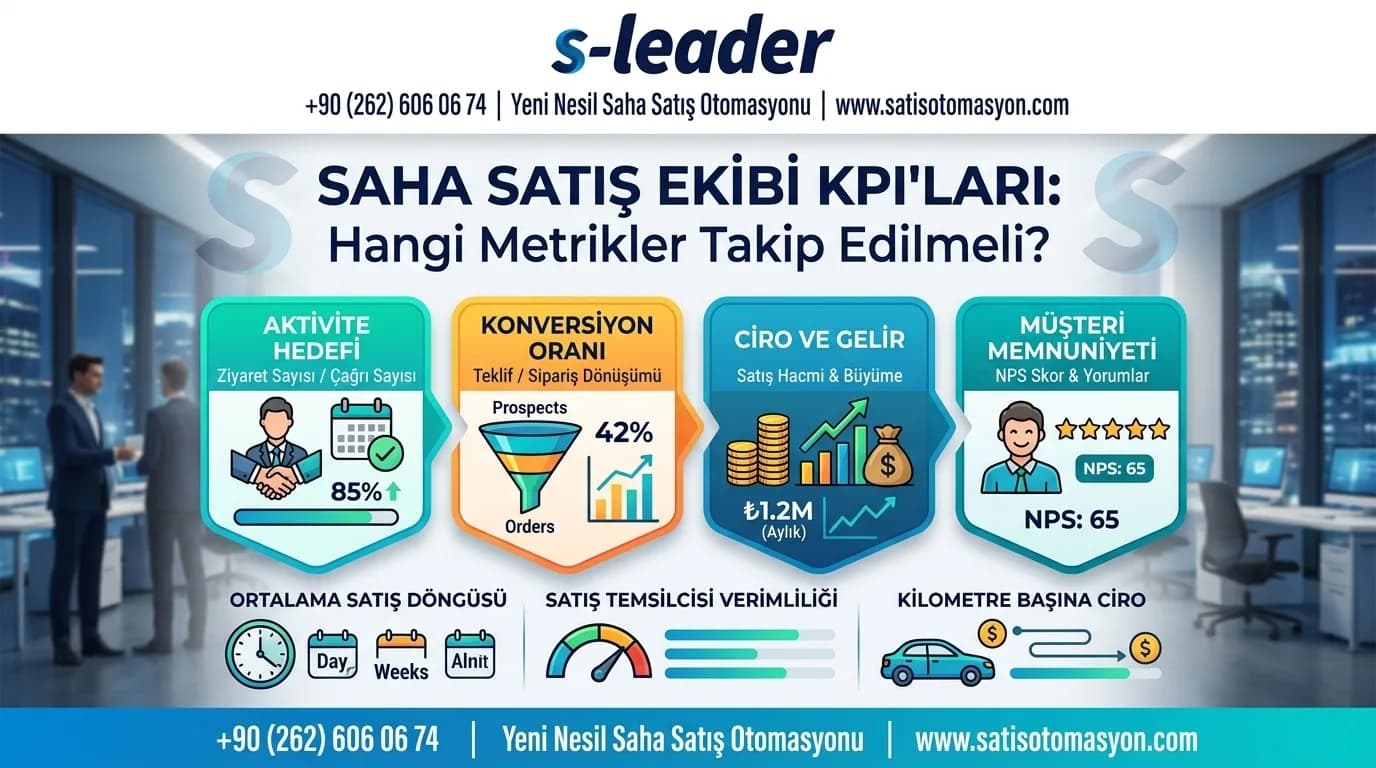
Tracking revenue alone hides where the real problem is. This article covers the KPIs — coverage, collections, PSKU and route adherence — that actually show you where to act, and how to measure them.
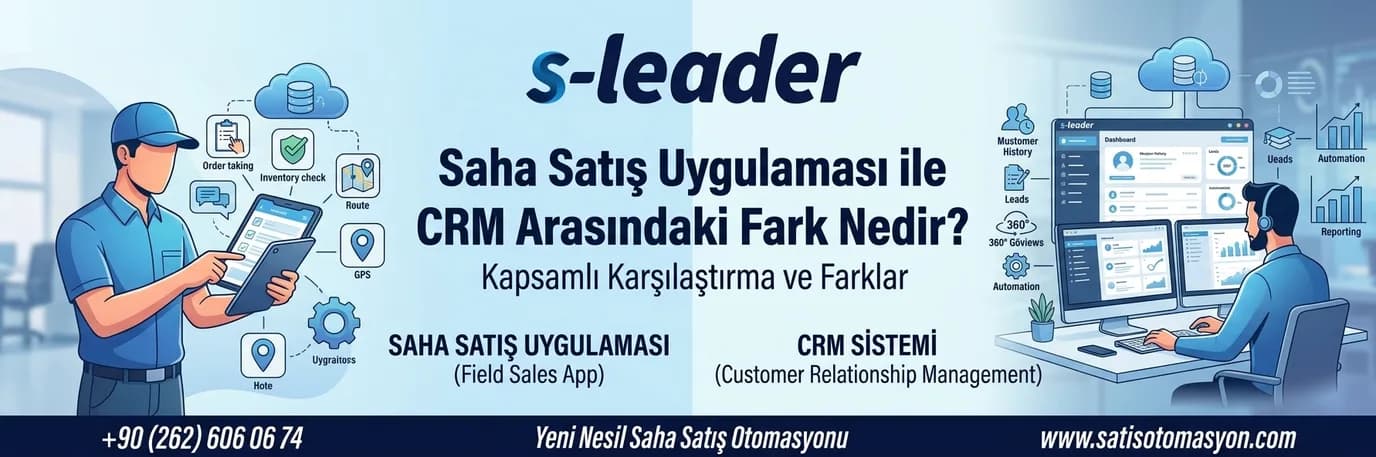
Many companies confuse CRM with field sales automation and invest in the wrong system. This article clarifies how the two solve different problems and which one your company actually needs.
Field sales automation for companies running Mikro ERP: which data flows in which direction, and what does working without integration actually cost?
Field sales automation is a long-term investment. Here are the 10 critical questions to put to every vendor before you request a quote, as a checklist.
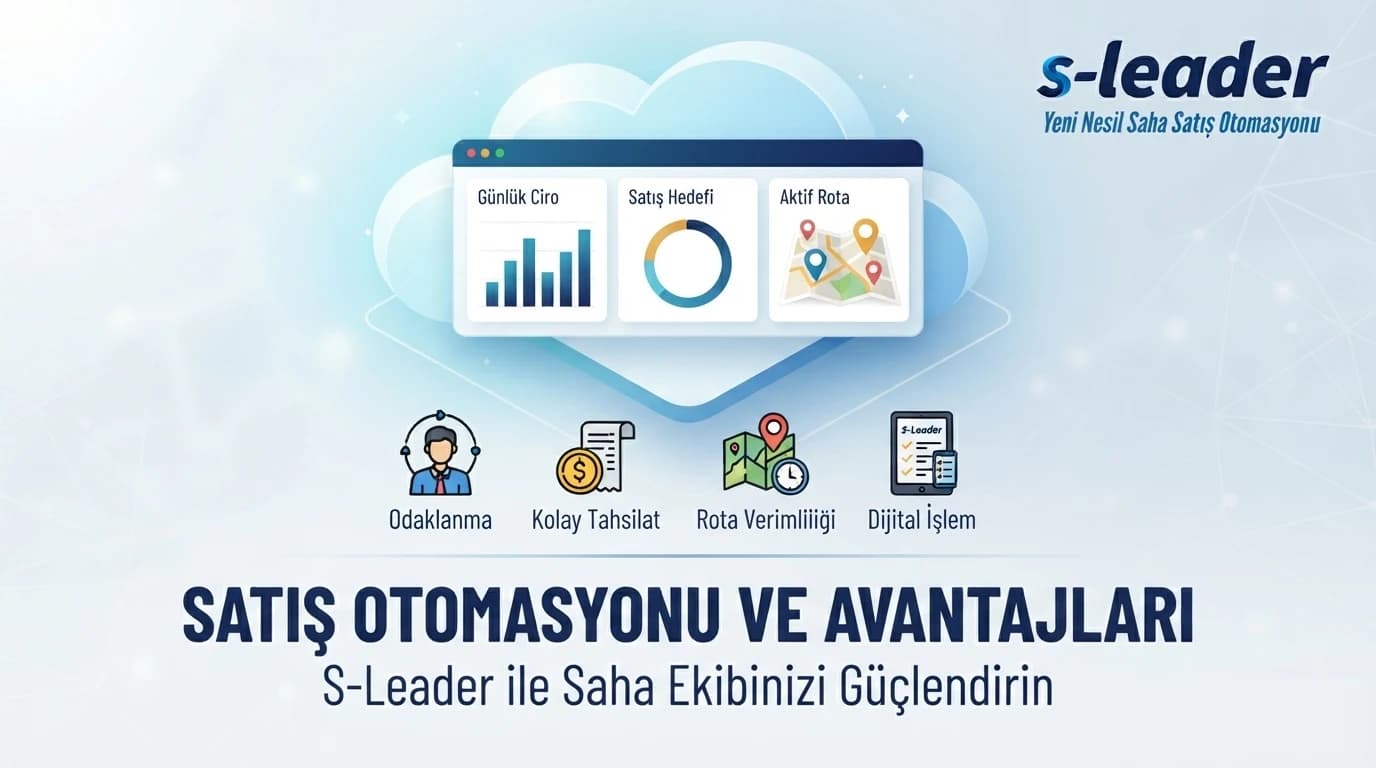
From team productivity to collections tracking, how does sales automation make field sales easier through its concrete advantages?
In today's busy business life, why does it matter to see your field sales data instantly, from wherever you are, instead of waiting for it?
S-Leader brings together hot selling, cold selling, collections, customer management, route planning, and more on a single platform.
What is automation, and how did field sales automation evolve from handheld terminals to today's mobile apps?
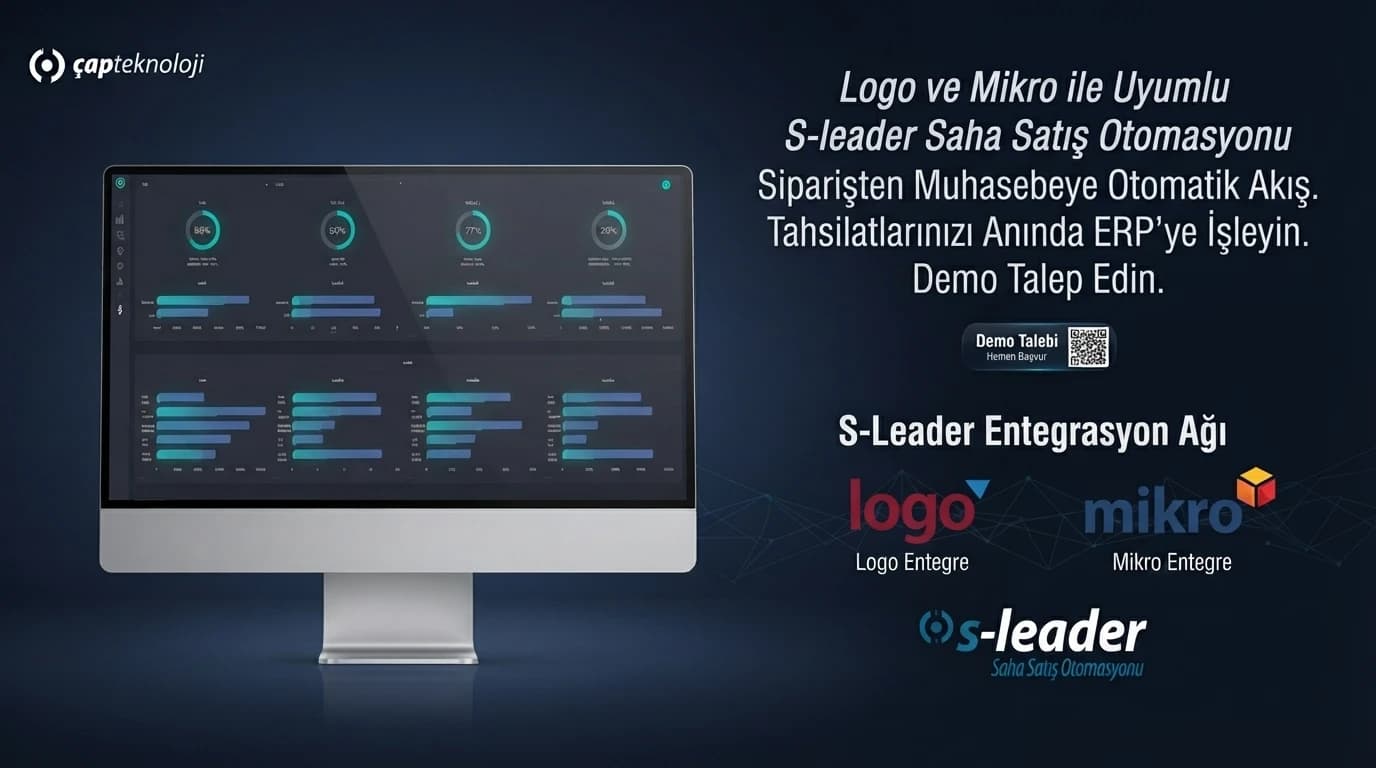
How does field sales automation compatible with Turkey's two largest ERP vendors, Logo and Mikro, simplify your accounting process?